

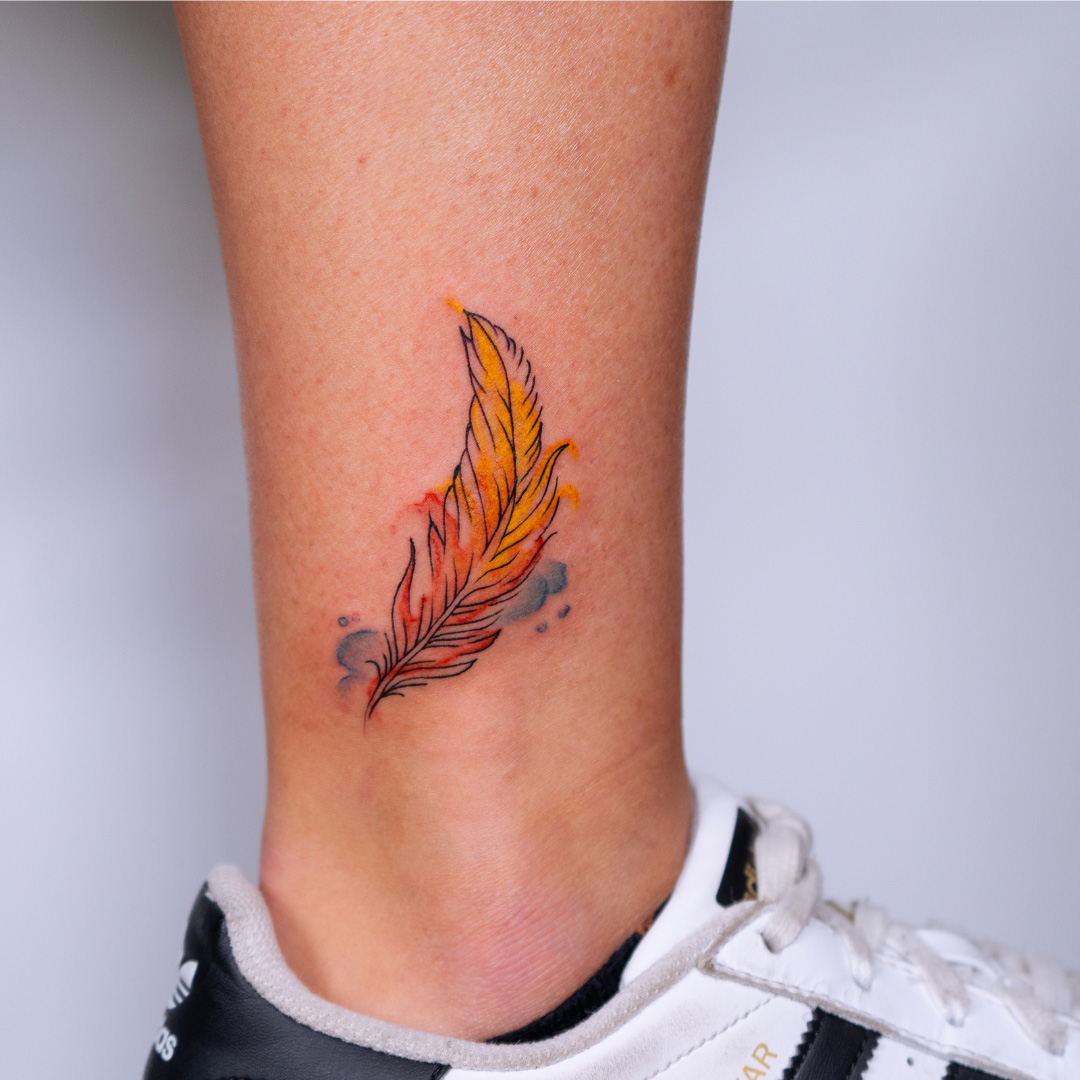
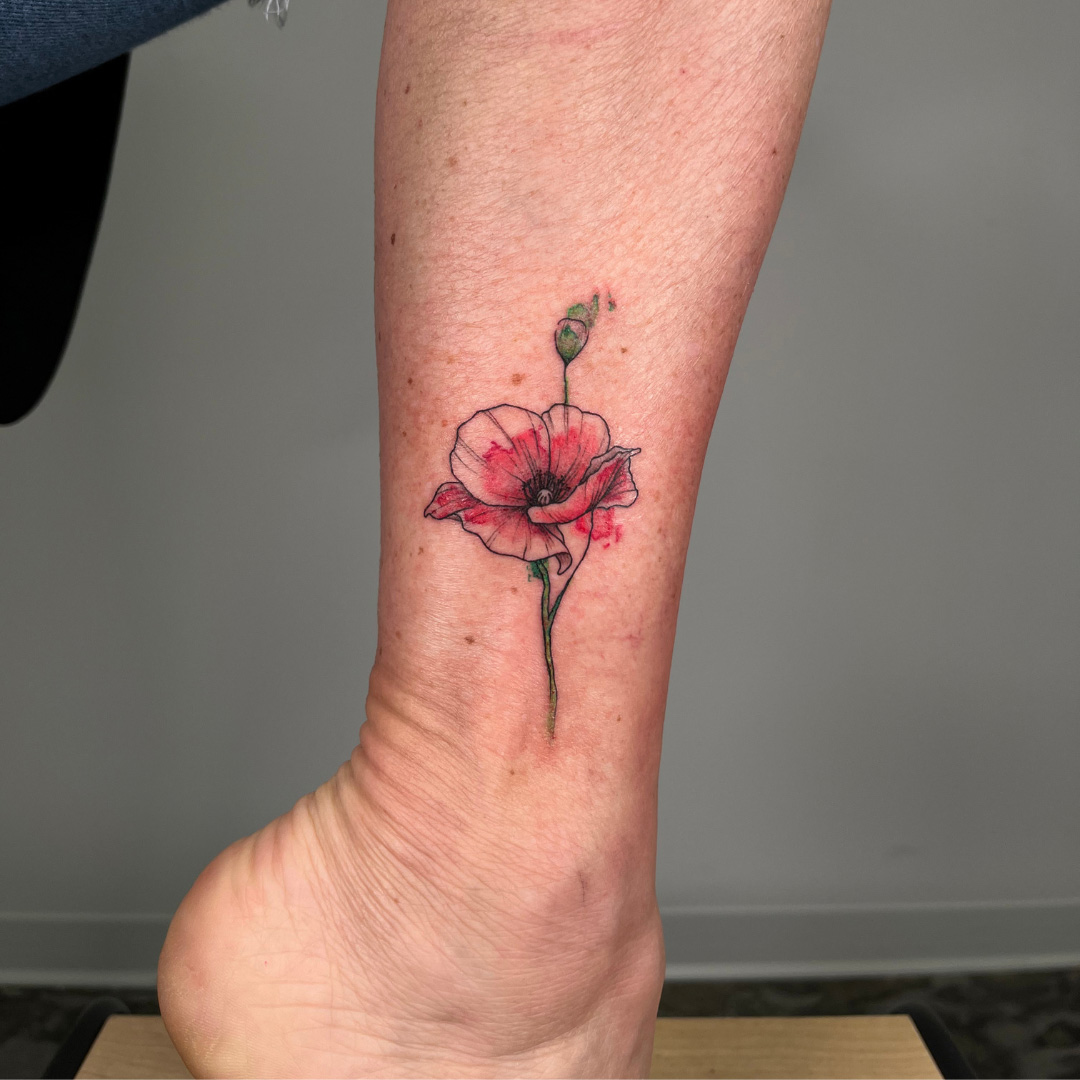
The Watercolor style in tattooing is inspired by the watercolor painting technique (but on skin instead of paper or canvas, hence the name “watercolor tattoo”), characterized by fluid shading and transparency.
In tattoos, this technique is used to create similar effects, using diluted colors and delicate shading to achieve:
- high aesthetic and visual impact
- significant emotional value
- strong creative character
It is a unisex style suitable for both small, simple tattoos and larger pieces, which can be done on any part of the body and is capable of making any type of subject or shape the protagonist, even by combining them.
Let’s find out more about Watercolor Tattoos.
The main characteristics of Watercolor Tattoos
As mentioned above, one of the main characteristics of Watercolor tattoos is the use of fluid shading and transparency to bring designs to life that look like paintings on canvas.
This makes the tattoo more free-flowing and original, but its execution is significantly longer than others as it involves creating a sketch that is then filled in with the utmost care.
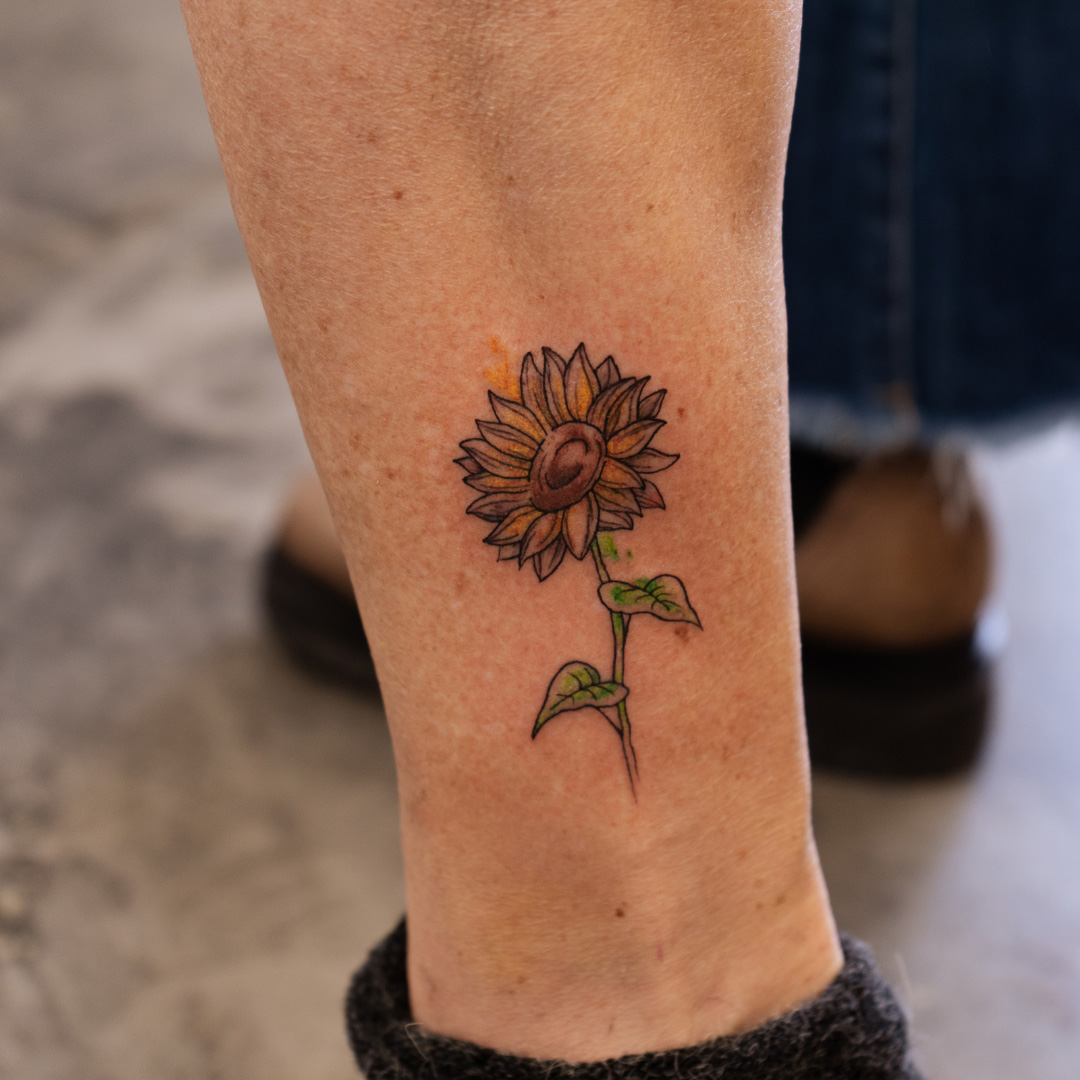
Another key feature is the abundance of bright, saturated colors harmoniously blended together to create unique, personalized tattoos. It is a particularly effective style for representing landscapes, flowers, or animals, allowing for the capture of the lightness and spontaneity inherent to watercolor.
Despite the extensive use of color, in Watercolor Tattoos the lines are light, soft, and imperceptible, completed by shading, effects, and the play of light and dark that give the tattoo its watercolor effect.
The Watercolor Tattoo style often incorporates artistic elements like free brushstrokes and less defined outlines, giving the tattoo a softer, more painterly appearance.
However, it is important to choose a tattoo artist experienced in this style, as its realization requires specific skills to achieve the right balance between detail and shading.
In general, Watercolor art is appreciated for its expressive and free nature that can convey emotions and create unique, personalized works.
In summary, the Watercolor style in tattooing is an art form that marries traditional watercolor technique with the individual expression of tattooing, creating tattoos that can be appreciated for their delicacy and originality and for their expressive and free nature, capable of conveying emotions and creating unique, personalized works.
The skills needed to perform a state-of-the-art Watercolor Tattoo
The Watercolor approach in tattooing offers the possibility of creating more subtle and complete works compared to more traditional styles.
Artists often blend colors creatively, creating fluid transitions and shading that mimic the qualities of watercolor on paper.
To perform a state-of-the-art Watercolor Tattoo, a knowledge of watercolor painting is first and foremost necessary, which involves the use of pigments ground and finely mixed with a binder and diluted in water. This allows one to approach this tattoo style with all the key and most useful information.
After that, it is fundamental to possess drawing skills, high technical application competence, and deep training in pigment dilution, to give greater luminosity to the color and achieve the required result.
Furthermore, since these are complex tattoos that demand detail, shading, light and dark effects, and significant coloring, and require long execution times, they must be created by tattooists who have excellent manual skills, calmness, patience, and maximum attention to every single detail, to bring true works of art on skin to life.
In addition to technical and artistic talents, a tattoo artist who performs Watercolor Tattoos must know anatomy and the rules of the body: for example, they must know that skin tone affects the choice of tattoo colors and, consequently, if they do not thoroughly analyze the area, they risk getting a different result than expected.
Do you want to refine your tattoo techniques?
Discover all the MTS Workshops and Seminars
Essential rules to ensure the longevity of a Watercolor tattoo
It is important to consider that Watercolor tattoos might require more attention over time, as colors can fade faster compared to more saturated, defined styles.
Proper maintenance and the choice of high-quality colors can help preserve the beauty of the tattoo over time, as can choosing a tattoo artist capable of selecting the areas of the body that are most suitable for watercolor-style tattoos and analyzing the skin tone to choose the most appropriate colors.
Furthermore, a tattoo artist working on Watercolor tattoos must also know how to provide the Client with all the instructions for taking care of it, especially in the initial post-execution period.
For example, it is essential to keep the skin constantly hydrated and soft: dry skin over time risks making the new tattoo’s outlines less defined and the lines faded.
It is also important to protect the tattoo from the sun in every season, from the chlorine in swimming pools which, in the long run, can bleach the design, and to always use gentle products for the daily beauty routine.
Do you want to become a professional tattoo artist? Choose Milano Tattoo School courses
The Tattoo Artist course is active at Milano Tattoo School, with the next class starting Monday, April 8, 2024.
This course guarantees exclusive and complete instruction to become a professional tattoo artist from every point of view, with innovative teaching, advanced technologies, and quality equipment.
Enrolling means accessing a 1500-hour program, supported by a staff of 20 expert tattooists and high-level masters specialized in various disciplines to receive exclusive and complete instruction.
The course includes:
- Theory lessons in the classroom
- Laboratory practice on synthetic skin and on people
- 500 hours of internship at tattoo studios affiliated with MTS
- The unique opportunity to participate in Workshops and Seminars with internationally renowned tattoo artists
Furthermore, the MTS Tattoo Artist course issues the Regional Certification necessary to work professionally in both Italy and Europe and provides all the hygiene and health skills required by law.
Do you want to become a professional tattoo artist?
Discover the Tattoo Artist Course at Milano Tattoo School