

Japanese tattoos are characterized by detailed and colorful designs, inspired by “Ukiyo-e” painting focused on the search for perfection and absolute beauty: every detail and every shade is meticulously crafted, as are the choice and placement of the tattoo and the deep meaning of the subjects.
Japanese tattoos are mainly created using the hand-poked technique called “Tebori” on large areas of the body: black and white shading is present almost exclusively in the background, while flat, uniform, and highly saturated colors are used only for the main subjects.
A Japanese tattoo is a true work of art, unique and personalized: a style that represents ancient traditional Japanese culture where every design is custom-made for the client.
Origin and History of Japanese Tattoos
Japanese tattooing is a style that represents a very ancient culture, with roots reaching deep into the most fascinating Japanese traditions.
In the past, a distinction was made between:
- Irezumi style
- Horimono style
The Irezumi style was performed by officials as punishment for criminals. Its purpose was to make people who had committed crimes and convicts immediately “recognizable,” thus taking on a strongly negative connotation.
Little by little, however, the practice of tattooing in Japan began to develop in other spheres, such as among samurai who wanted to express their identity, merchants, or lovers who tattooed a black dot on their hands (this practice is called irebokuro) to indicate their pledge of love.
During the Edo period (1603-1868), a Chinese historical novel (the bandit-heroes Suikoden) was published and became a huge success, sparking the interest of the great artist Utagawa Kuniyoshi, who immediately set to work.
His illustrations depicted the protagonists with bodies entirely decorated with these tattoos, ranging from mythological creatures to religious symbols.
This fascinated a large part of the Japanese working class, who began to have these types of tattoos reproduced on their own bodies.
During this period (late 1800s), the Horimono style was born—a traditional art form based on classic designs (dragons, cherry blossoms, waves, and koi fish) that represented a decorative luxury voluntarily worn on human skin, a pure art form to be proudly carried for a lifetime.
At the same time, the Japanese government banned tattooing precisely because of its association with crime.
Only after World War II was the ban lifted, and tattooing began to become an increasingly appreciated art form, even in the Western world.
Gradually, the distinction between the two styles also lost its link to the original meaning, as Irezumi became synonymous with Horimono, losing its negative connotation.
Japanese Tattoos: Main Characteristics
The traditional technique used for Japanese tattoos is called tebori, which means hand-carving: the tattoos are performed strictly by hand, using a rod with needles fixed to the ends.
Japanese tattoos are characterized by fluid lines and minute details, and every element takes on an extremely important symbolic meaning for the overall message the tattoo is meant to express.
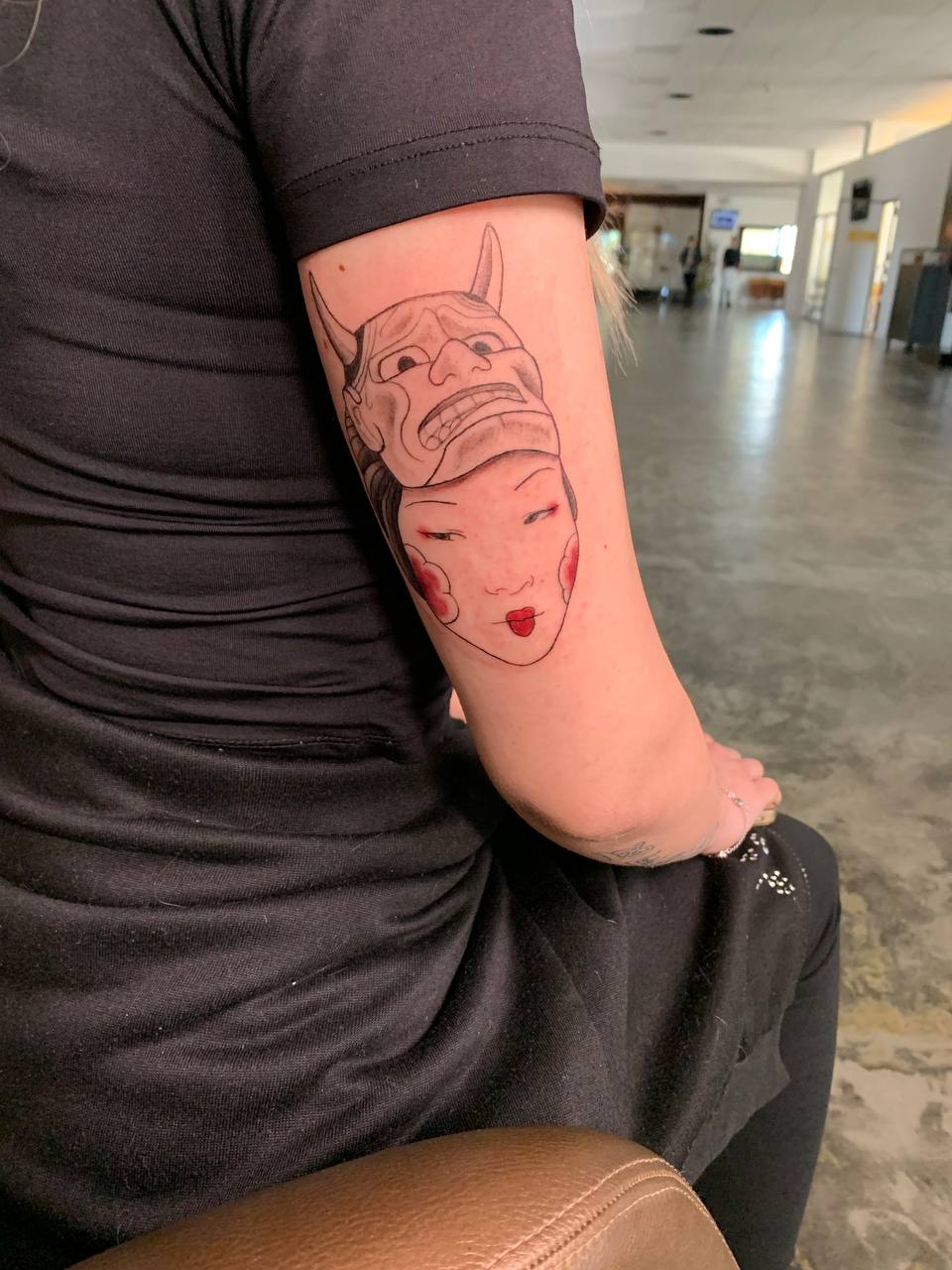
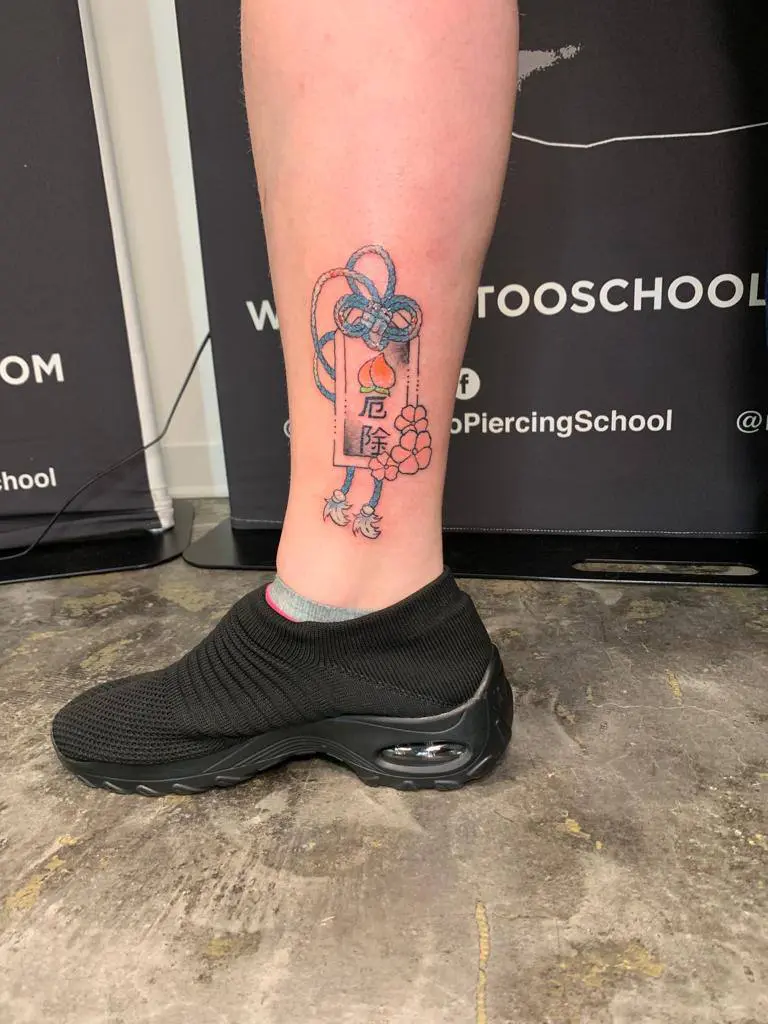
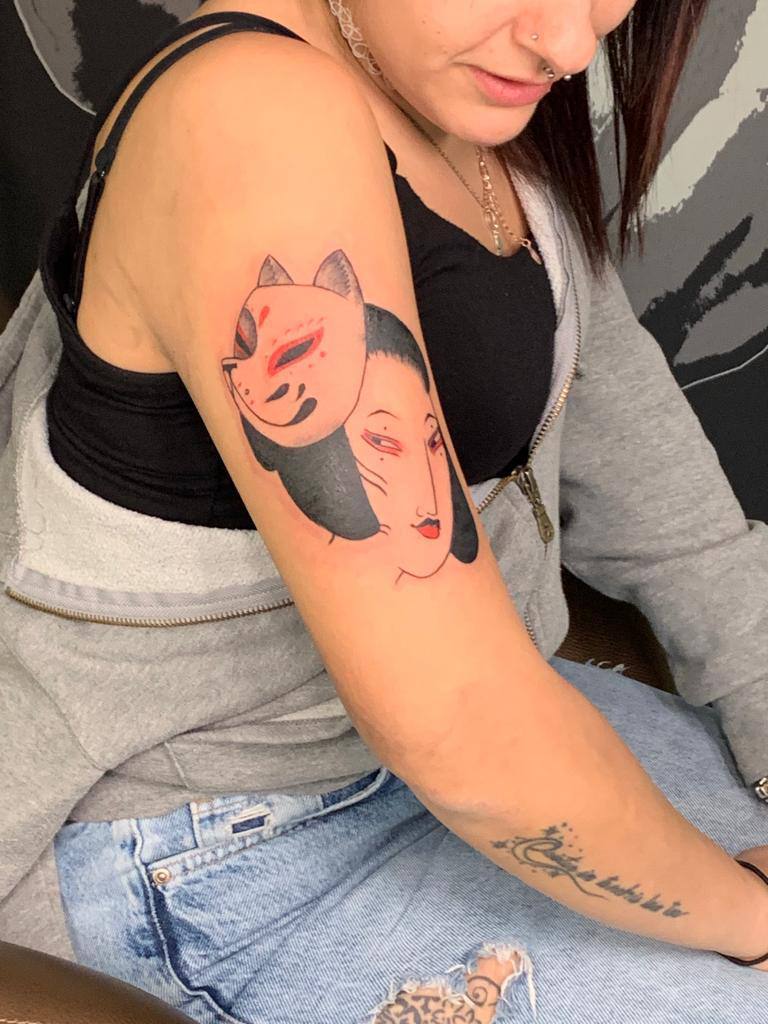
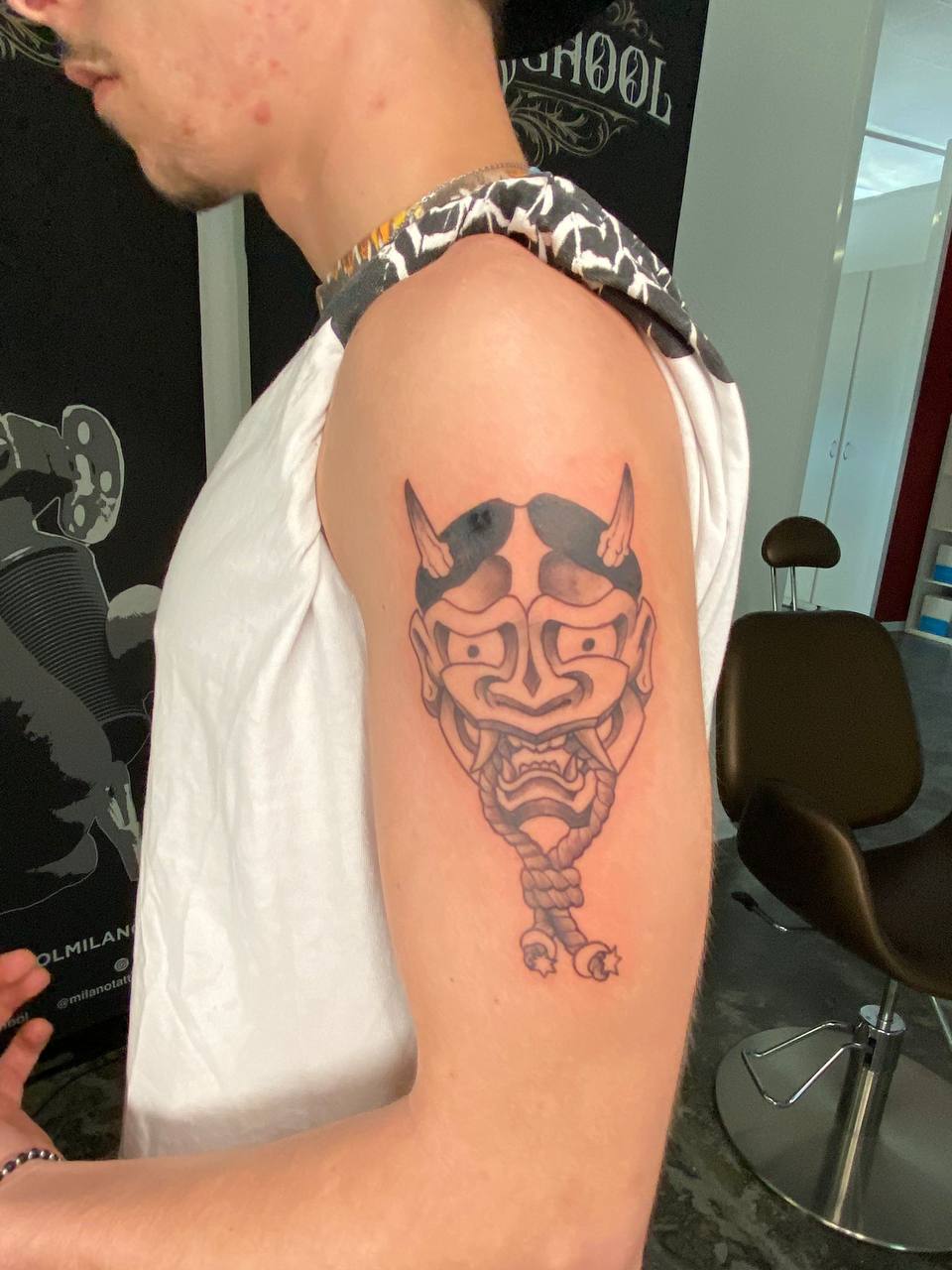
*Japanese-style tattoos created by MTS students
Skills to Practice for Japanese Tattoos
The Japanese tattoo style requires great artistic mastery and precision.
Tattoo artists who choose to specialize in this style must first and foremost have great artistic ability, which includes drawing, design, and an understanding of tattoo proportions.
Furthermore, they must possess impeccable tattooing technique: a steady hand, extreme attention to every detail, and great confidence in the practice. Mastery of shading techniques is also crucial for giving depth and dimension to designs and creating captivating visual effects.
Additionally, they must know the symbolism of Japanese tattoos associated with the various elements used, so they can create works on skin capable of conveying specific and culturally relevant meanings.
Tattoo artists who choose to follow the path of Japanese tattooing must be aware that great mastery and precision are required. This involves achieving:
- Artistic drawing skills
- Design fundamentals and an understanding of tattoo proportions
- A steady hand
- Extreme attention to every single detail
- Great confidence in execution
How to Become a Professional Tattoo Artist with Milano Tattoo School Courses
The 1500-hour tattoo operator course at Milano Tattoo School allows young artists to learn the knowledge, techniques, and skills to become professional tattoo artists and embark on a successful career in the tattoo world.
During the 1000 hours of the course, divided between classroom lessons and lab practice, MTS students also have the opportunity to learn about and delve into Japanese tattooing, guided by Alessandro Zumaglini, known as ZUMA, who has worked as a tattoo artist for over 20 years and has owned a Studio since 2007.
ZUMA is one of the instructors at our school, where he teaches tattoo anthropology and the Japanese tattoo style: the former helps students know and understand the contribution made by major global tattoo artists to the development of tattooing, while the Japanese style lessons lead students to design a tattoo (on paper and with iPad) and know how to apply it to the skin.
The course also provides access to the 500 mandatory internship hours at one of the tattoo studios partnered with MTS in Lombardy.
At the end of the program, students who pass the final exam receive the Professional Certification from the Lombardy Region as a Tattoo Operator, valid throughout Italy and at the European level.
The next tattoo operator course at Milano Tattoo School starts on January 8, 2024, but there are 2 other courses already scheduled for 2024:
- April 8, 2024
- September 2, 2024
Do you want to become a professional tattoo artist?
Discover the Tattoo Operator Course at Milano Tattoo School