

Painterly tattoos are inspired by the art of painting and traditional painting techniques, seeking to recreate the effect of a painting on the skin.
Similar in some ways to realistic color tattoos, painterly tattoos actually embody the artist’s expression, allowing them to stand out for their style and personality from artist to artist.
This is a style that requires great skill and perfect manual dexterity and, through beauty and originality, becomes a unique way to carry art with you always.
Main Features of Painterly Tattoos
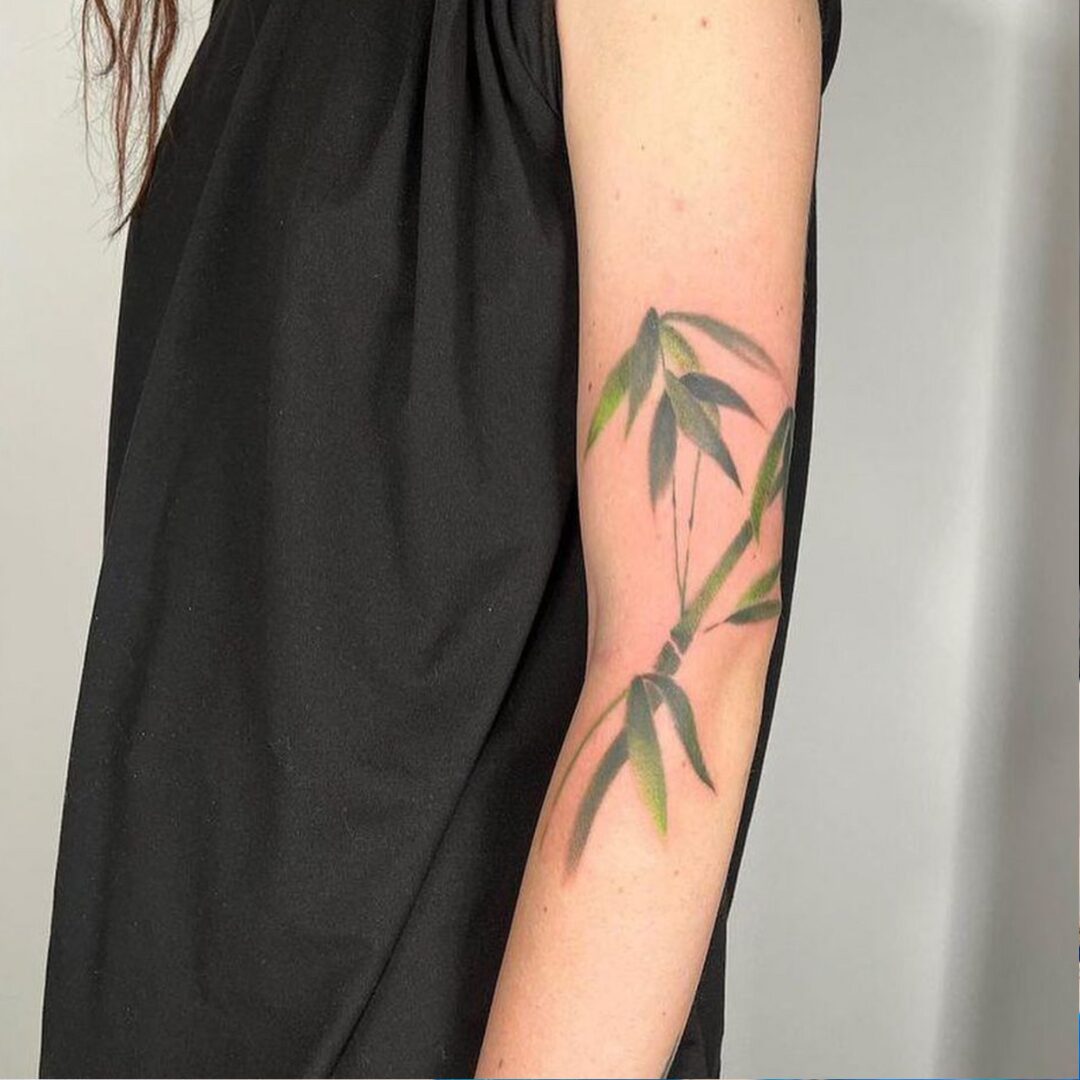
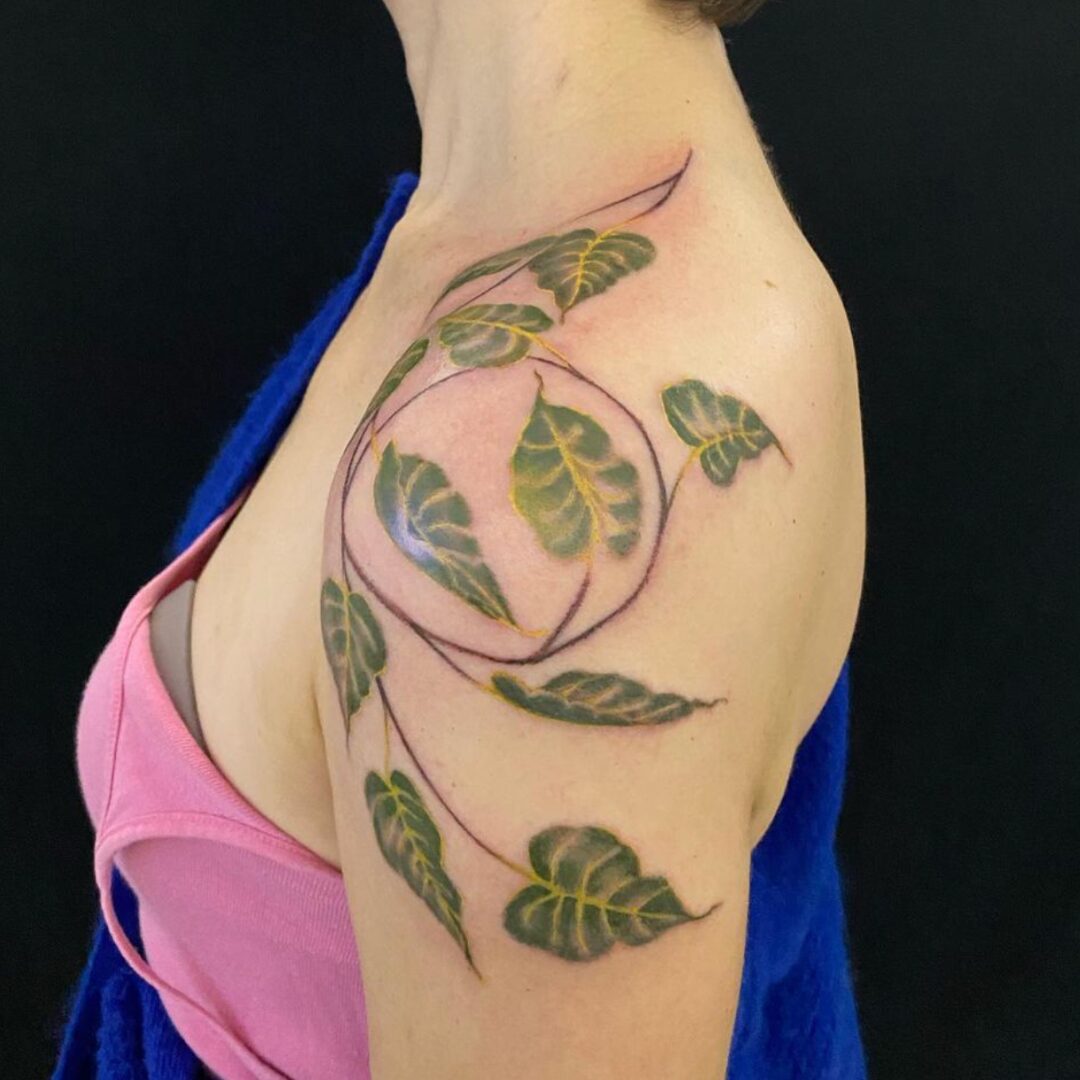
The painterly style tattoo is characterized by fluid lines (if necessary) and soft shading across multiple color layers.
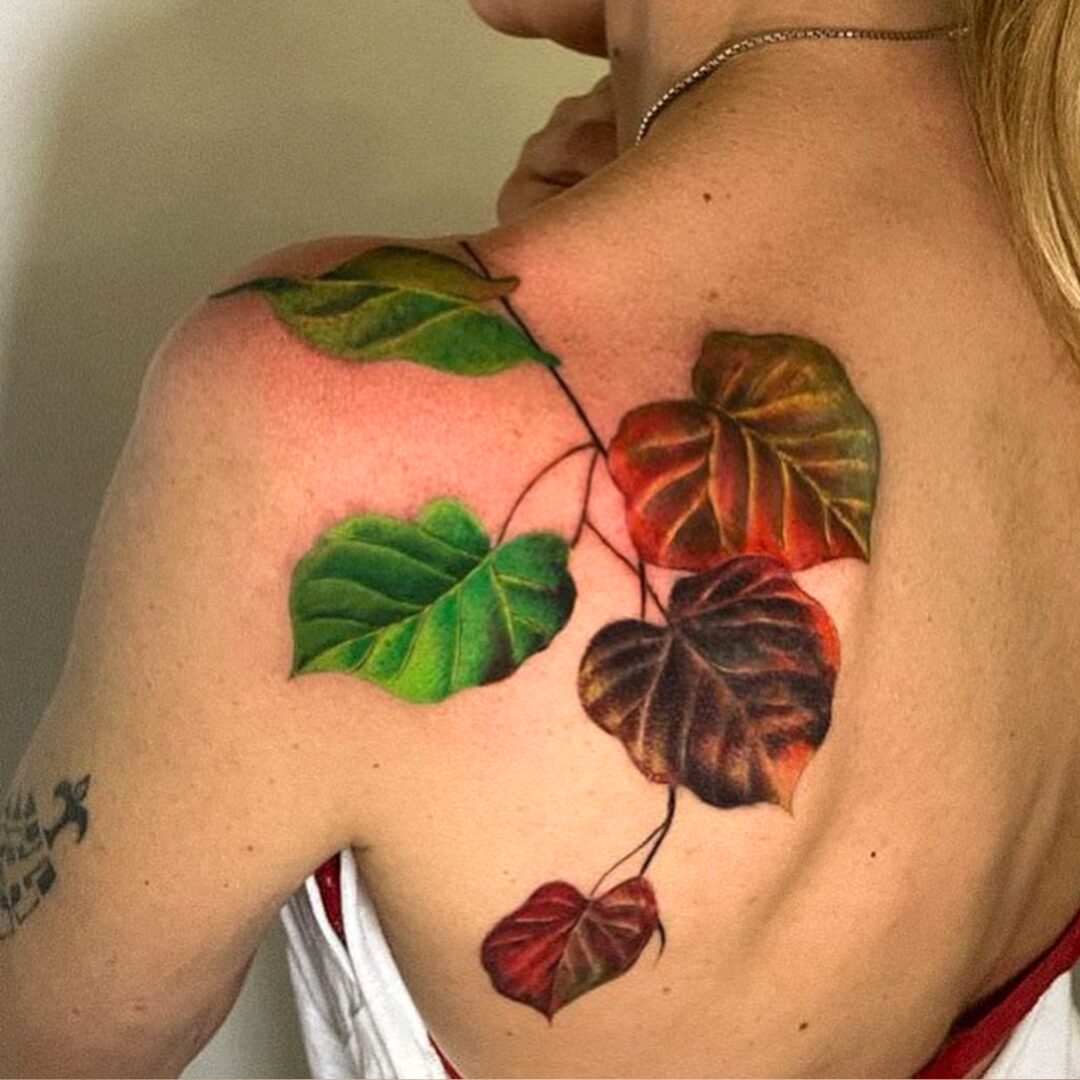
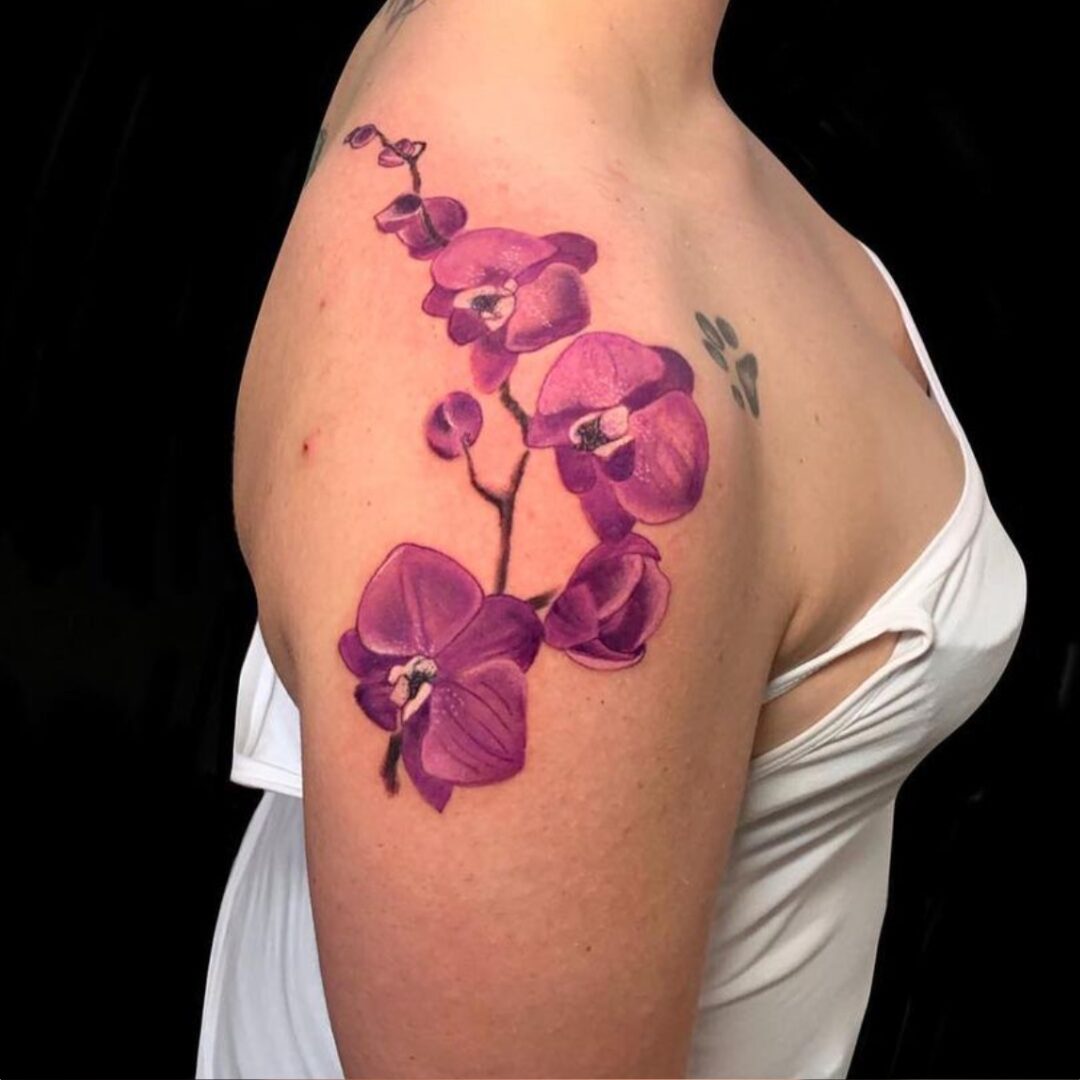
This style uses a wide range of colors and shades to achieve visual effects similar to those of painting and “plays” with shading, blending, and layering to achieve the artist’s desired effect.
The reproduced designs are not outlined in black, have several color passes, are absolutely original, and are characterized by high visual complexity and meticulous attention to detail, translating painting techniques onto the skin.
Because of this complexity, painterly tattoos have a strong visual impact and every subject is evocative and fascinating.
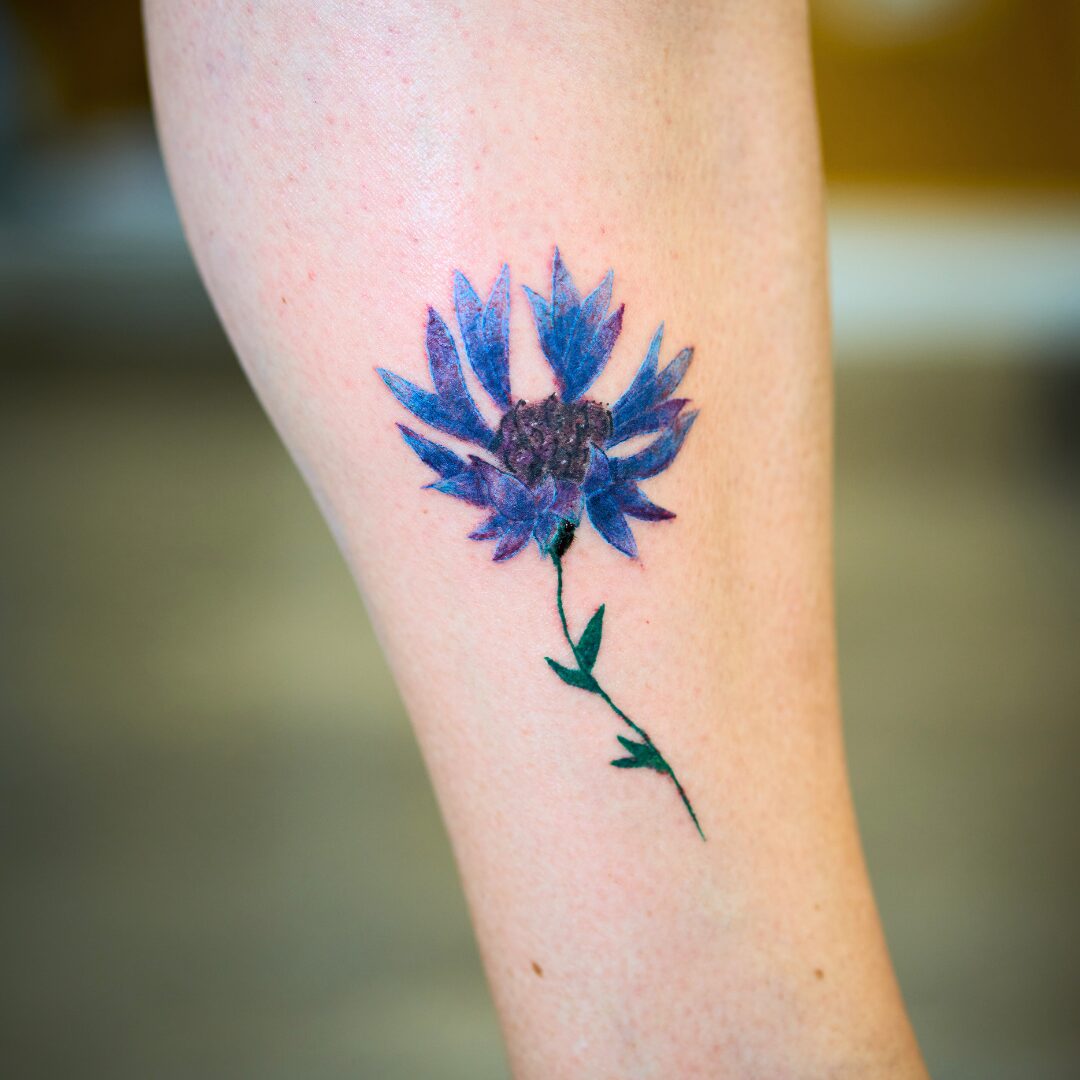
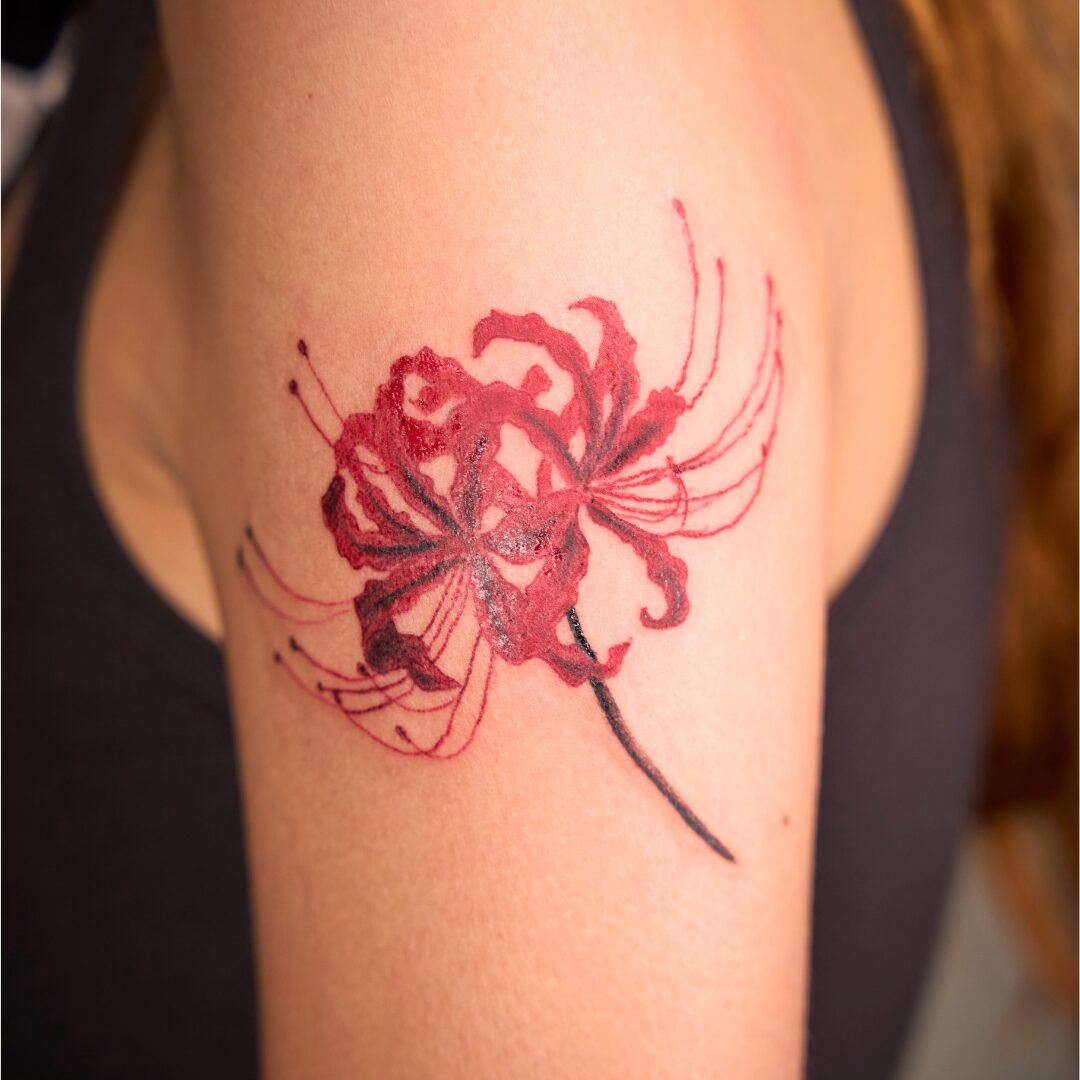
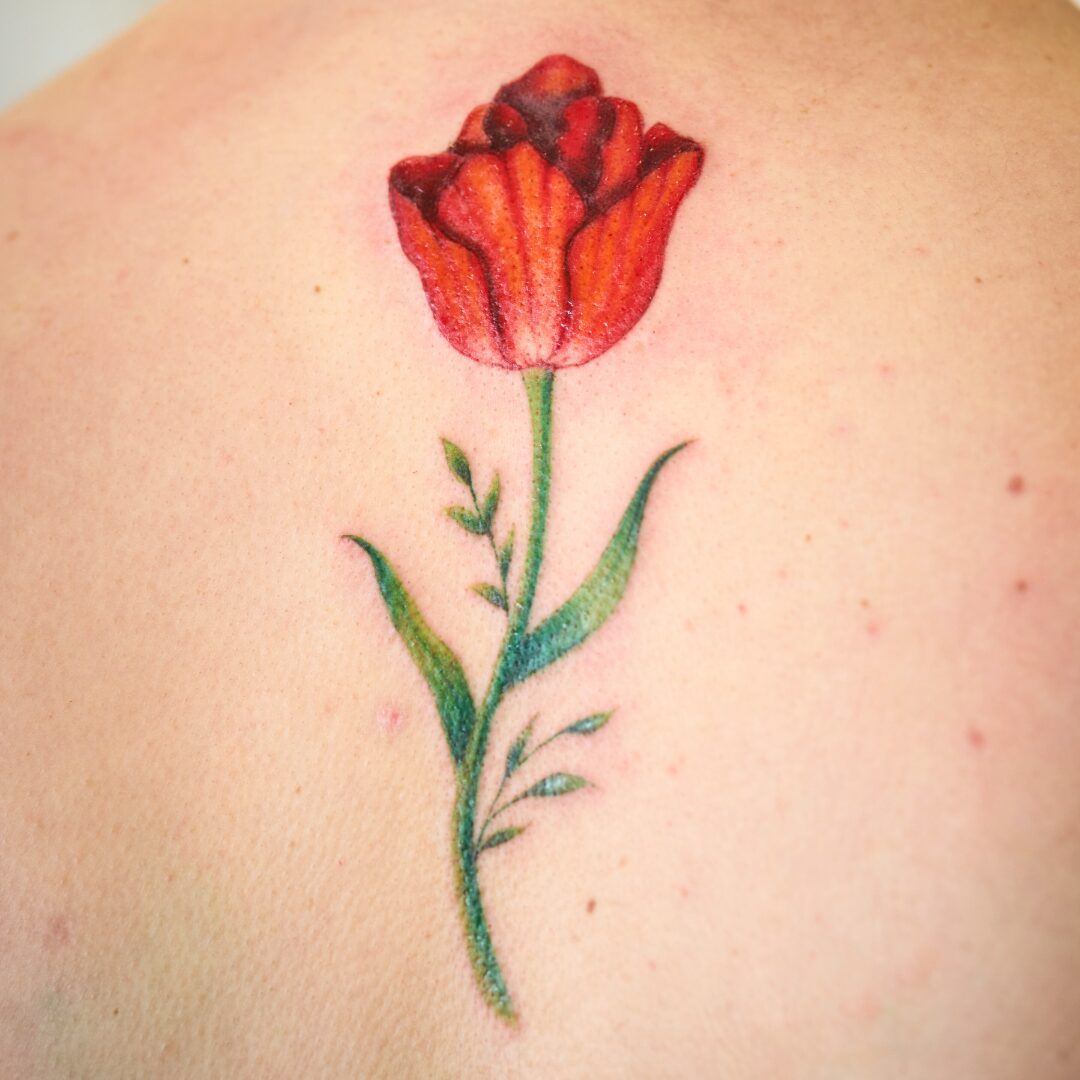
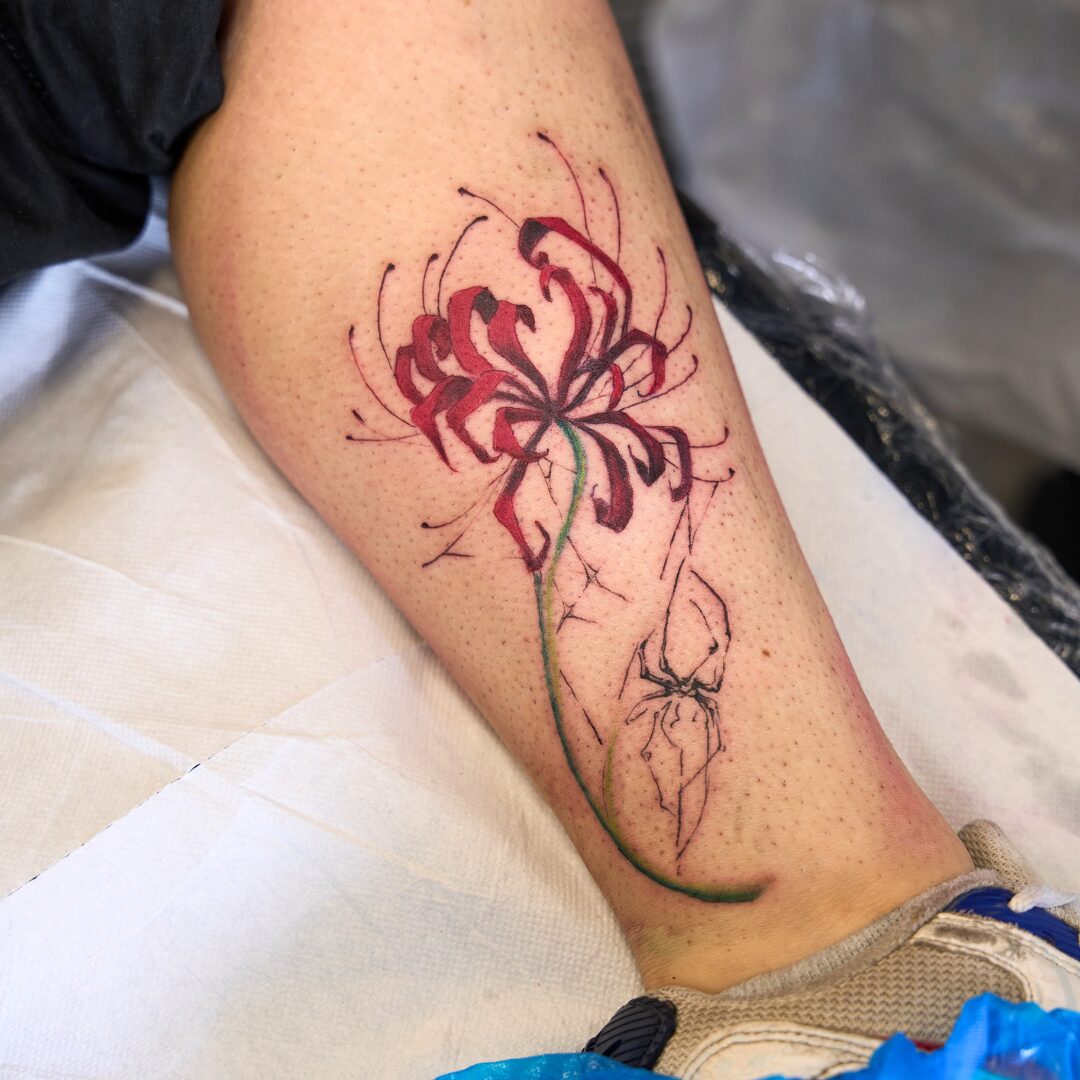
Work by MTS students during their first experience with the Painterly style under the expert guidance of Katia Polastri
What are the differences between painterly tattoos and watercolor tattoos?
Painterly tattoos and watercolor tattoos are two tattoo styles that may look similar, but they have some important differences.
First of all, the artistic style they are linked to: while painterly tattoos take inspiration from traditional art forms (like oil painting), watercolor tattoos are inspired by watercolor art, but on skin instead of paper or canvas.
For this reason, painterly tattoos aim to achieve a high level of consistency through color layering, while in watercolor tattoos, the subjects have an ethereal look, accompanied by colors that fade and dilute into each other.
In terms of technique, the painterly style uses rich, saturated colors to create depth where requested or desired. In contrast, the watercolor style is characterized by more shading, with lighter and less intense tones, light, soft, and imperceptible strokes, color transitions, and indistinct edges to spread the tattoo beyond defined shapes.
Consequently, while a painterly tattoo looks like a miniature painting revealing the artist’s distinctive character, a watercolor tattoo has a more ethereal and soft appearance, like a painting done directly on the skin with significant emotional value and a strong creative character.
History and Fun Facts about Painterly Tattoos
Compared to other tattoo styles that have ancient origins often linked to spiritual and religious reasons, painterly tattoos are relatively recent: they began to spread around the ’90s, immediately gaining great popularity for their extreme elegance.
Tattoo artists who specialized in this style took inspiration from art movements such as realism, surrealism, impressionism, and contemporary art, creating tattoos with sophisticated shading, color gradients, and complex details.
This gave rise to highly personalized painterly tattoos, which start from known and classic artistic techniques but then create unique designs that reflect personal tastes and individual artistic vision.
Within this style, one of the most requested and appreciated techniques is the floral painterly tattoo, which combines floral elements with painterly styles to create elegant, fascinating, and vibrant designs. The most common subjects are flowers, leaves, and other natural elements that create unique and decorative artistic compositions.
Floral painterly tattoos are popular among both men and women, with tattoo artists incorporating painting techniques to create intricate details and vivid colors in their designs.
Katia Polastri, Founder and Director of the Milano Tattoo School and Head of Tattoo Instruction, specialized in the nature-inspired Painterly style, leads students in discovering the painterly tattoo style.
In her lessons, she “opens the door” to this liberating and fun style and leads students to express their creativity and appreciate the beauty of nature through body art.
Discover the courses to become a professional tattoo artist at Milano Tattoo School
Following the start of the January and April courses, a new Tattoo Operator course is about to begin at Milano Tattoo School in September 2024, with a second course starting in October.
The course, totaling 1,500 hours divided between theory lessons, practice on synthetic and real skin, labs, workshops, seminars, and internships at renowned studios in Lombardy, allows you to:
- Learn the knowledge and skills necessary to be a professional tattoo artist.
- Gain all the fundamental tools to enter the job market.
- Independently manage and carry out the future profession of tattoo operator.
- Grow and stand out in the tattoo scene.
- Obtain Regional Certification recognized throughout Italy and Europe.
This is a high-level learning path that provides support from a faculty made up of various professionals working in the industry and renowned tattoo artists, as well as high-quality equipment provided by Dormouse, an MTS Partner.
The first class starting on September 2, 2024, is already Sold Out and the second is filling up fast.
If you want to become a Tattoo professional and start your career in this industry, this is the last course starting in 2024.
Visit the page dedicated to the upcoming Tattoo Operator Courses